חג שמח Jewish Holidays
Want to learn more about the Jewish holidays? We've got you covered. JELF's comprehensive guide details each holiday's history, traditions, and ways of celebration, from the reflective Rosh Hashanah and Yom Kippur to the joyous festivities of Hanukkah and Purim. Whether you're looking to understand the significance of Passover or the customs of Sukkot, you'll find all the information you need right here.

Rosh Hashanah / Jewish New Year!
Rosh Hashanah occurs on the first and second days of the Jewish month of Tishri and is commonly known as the Jewish New Year. On this holiday, we sound the shofar, dip apples in honey and greet one another by saying L'shanah tovah! Rosh Hashanah is a time for self-reflection, prayer, and setting intentions for the year ahead.
Kol nidre & yom kippur
Kol Nidre is the declaration recited at the opening service of Yom Kippur, the Jewish day of atonement.
Yom Kippur is considered the holiest day of the Jewish year. It concludes the Ten Days of Repentance that begin with Rosh Hashanah and is devoted to prayer, reflection, and seeking forgiveness from God and those we have wronged. Traditionally observed through fasting and refraining from work, the holiday offers an opportunity to take responsibility for our actions, repair relationships, and commit to doing better in the year ahead.

Sukkot
Sukkot is one of three Jewish harvest festivals. It begins five days after Yom Kippur. Historically, it commemorates the forty-year period during which the children of Israel were wandering in the desert, living in temporary shelters, which is why Jewish people commonly build structures known as Sukkahs today on the holiday.

shemini atzeret
Shemini Atzeret is a Jewish holiday that immediately follows the seven days of Sukkot. It is a unique festival with its own distinct customs and significance, yet it is often considered an extension of Sukkot.
Simchat Torah
Simchat Torah is a festive time where the Torah portions start over once again. It is celebrated by taking Torah scrolls out of the Ark and taking them in seven circles while singing. It is a very upbeat and happy holiday.

Hanukkah / Hanukah / Chanukah
Hanukkah is one of the best-known Jewish holidays because of its proximity to Christmas. Widely known as the 'Festival of Lights', Hanukkah is an eight-day holiday beginning on the 25th day of Kislev. Jewish people commonly light a new candle on their Hanukkiah each night of this festival holiday symbolized by latkes, dreidels and jelly donuts!

Tu B'Shevat / Tu BiShvat
Tu B'Shevat, the 15th day of the Jewish month of Shevat, is a holiday also known as the New Year for the Trees and symbolizes the calculation of the annual age of trees.

Purim
Purim, which falls on the 14th day of the Hebrew month of Adar, is considered one of the most joyous holidays on the Jewish calendar, recounting a time when the Jewish people lived in Persia and were saved from extermination.
Purim tells the story of King Ahasuerus, Esther, Mordecai, Vashti and Haman. It includes an annual Megillah reading of the Book of Esther where people blot out the evil Haman's name by using groggers, or noise makers, and then enjoy a festive party with games or a parade.

Passover (aka pesach)
The holiday of Passover is another harvest festival which symbolizes the Jewish people's exodus from Egypt after generations of slavery. This story is told in Exodus and the holiday lasts either 7 or 8 days (depending on your observance).
Jewish people celebrate Passover by preparing a Seder, which includes the retelling of the Passover story as well as a special feast prepared with only unleavened grains. Many Jewish people observe the holiday by refraining from all leavened grain products and related foods during the course of the holiday.

Lag b'omer
Lag B'omer is celebrated on the 33rd day of the Counting of the Omer (unit of measure), the 49-day period between Passover and Shavuot.

Shavuot
Shavuot is the third harvest festival and remembers the giving of the Torah. It is customary for observant Jews to stay up the entire first night of Shavuot and study Torah as part of the symbolism of the holiday.
tisha b'av
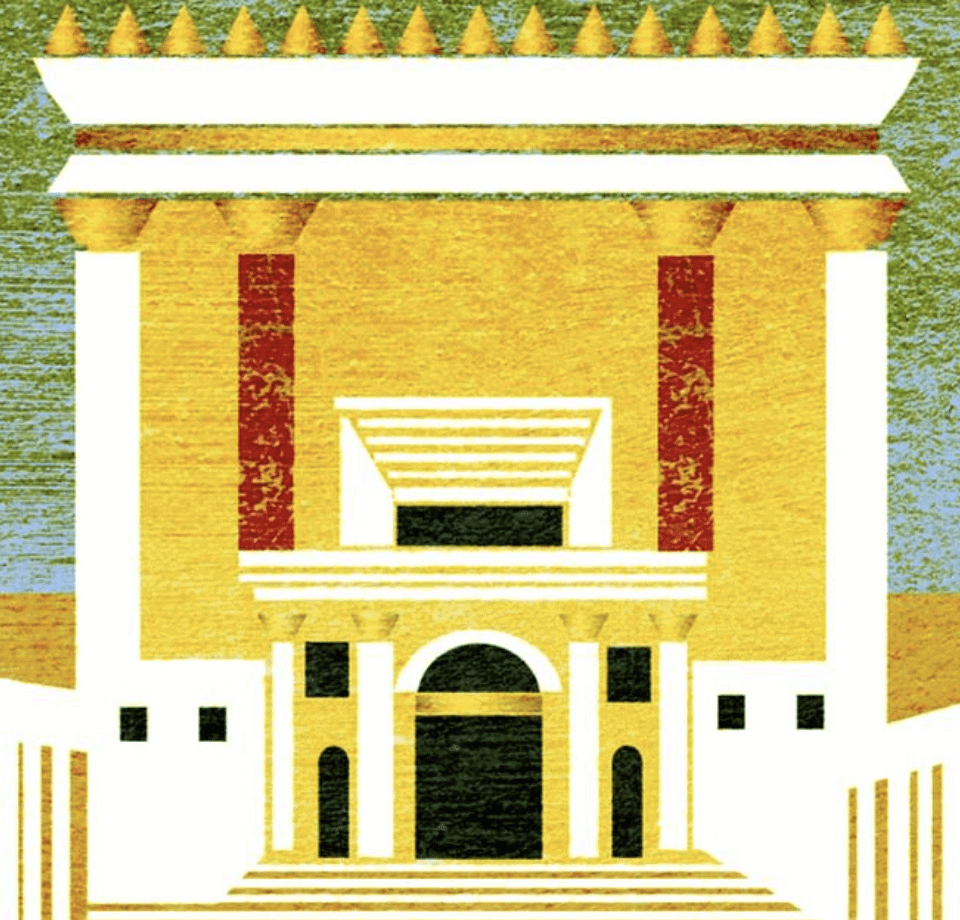
Tisha B'av quite literally translates to the "ninth of Av" which is the month that this day of mourning falls in. Occurring in July or August, Tisha B'av commemorates the destruction of the first and second Temples, both of which were destroyed on the ninth of Av, as well as the many tragedies that have befallen the Jewish people which have all occurred on this same day.